- Home
- RADIO ASRINA
- TRANSFORM YOUR LIFE WITH
- Emotional wellbeing
- Cognitive functioning
- Physical movement
- Memory and identity
- Calm & Regulation
- Reduce anxiety, agitation
- emotional regulation
- Support memory recall
- movement & coordination
- sleep and relaxation
- carers and loved ones
- Healthy Eating
- Weight Loss
- Fitness
- BStress Management
- Mental Health
- Chronic Disease
- Dementia
- Ataxia
- Autism
- Anxiety and depression
- Neurological and long-
- Parkinson's
Transform your health today
Transform Your Health with HEAL THE WORLD Health Consulting
🌿 Physical Movement & Music-Assisted Therapy 🌿
Move gently, safely, and joyfully with music


 5
5
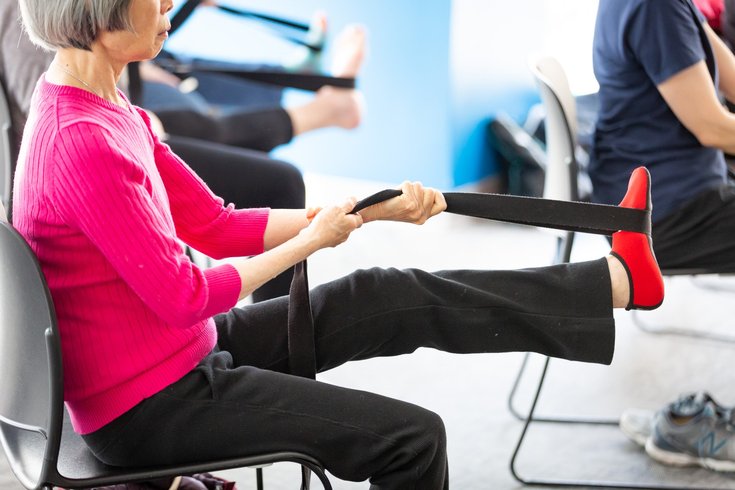
Music-assisted movement uses rhythm, tempo, and familiar melodies to support the body and brain together. It’s ideal for your wellbeing framework and works beautifully for older adults, dementia care, ataxia, autism, anxiety, low mood, and reduced mobility.
🎶 Why Music Helps Physical Movement
- Rhythm supports coordination (steps, arm swings, balance)
- Tempo guides pace (slow = calm control, moderate = energy)
- Familiar music motivates movement (less resistance, more joy)
- Predictable beats reduce fear of movement
- Music distracts from pain and stiffness
🧠 Body–Brain Benefits
✔ Improves mobility & flexibility
✔ Supports balance & coordination
✔ Reduces stiffness & muscle tension
✔ Enhances motivation & confidence
✔ Encourages independence
✔ Boosts mood while moving
🕺 Music-Assisted Movement by Time of Day
🌅 Morning – Wake the Body Gently
Tempo: slow–moderate
- Soft rhythmic instrumental
- Light classical (waltz-like flow)
- Calm acoustic music
🧍 Movements:
- Shoulder rolls
- Gentle arm lifts
- Neck side stretches
- Slow marching on the spot or seated
🌤️ Midday – Strength & Coordination
Tempo: moderate
- Easy listening
- Gentle jazz or swing (soft beat)
- Familiar old favourites (instrumental or low-lyric)
🚶 Movements:
- Walking with rhythm
- Heel-to-toe steps
- Arm swings
- Light resistance (towel, soft ball)
🌿 Afternoon – Flow & Flexibility
Tempo: slow
- Ambient music
- Piano & strings
- Nature-inspired soundscapes
🪑 Movements:
- Chair yoga
- Seated stretches
- Side bends
- Controlled breathing with movement
🌙 Evening – Relaxation & Release
Tempo: very slow
- Calm piano
- Slow strings
- Nature sounds
🧘 Movements:
- Gentle stretching
- Hand & finger movements
- Breathing exercises
- Body awareness (no effort)
♿ Adapted Movement Options
✔ Seated movement only
✔ Bed-based gentle movement
✔ One-side movement if needed
✔ Micro-movements (hands, feet, shoulders)
Music allows movement without pressure — even small motions count 💛
🎧 How to Use Safely
- 🔊 Keep volume low & comfortable
- 🕰️ Short sessions (5–20 minutes)
- ❤️ Stop before fatigue
- 🚫 No fast or loud music for balance issues
- 👀 Supervision if needed
🌼 Perfect For
- Dementia (all stages)
- Ataxia & coordination difficulties
- Parkinson-type movement issues
- Autism sensory regulation
- Anxiety-related stiffness
- Reduced confidence with movement
🎶 Why Music Helps Physical Movement

 5
5
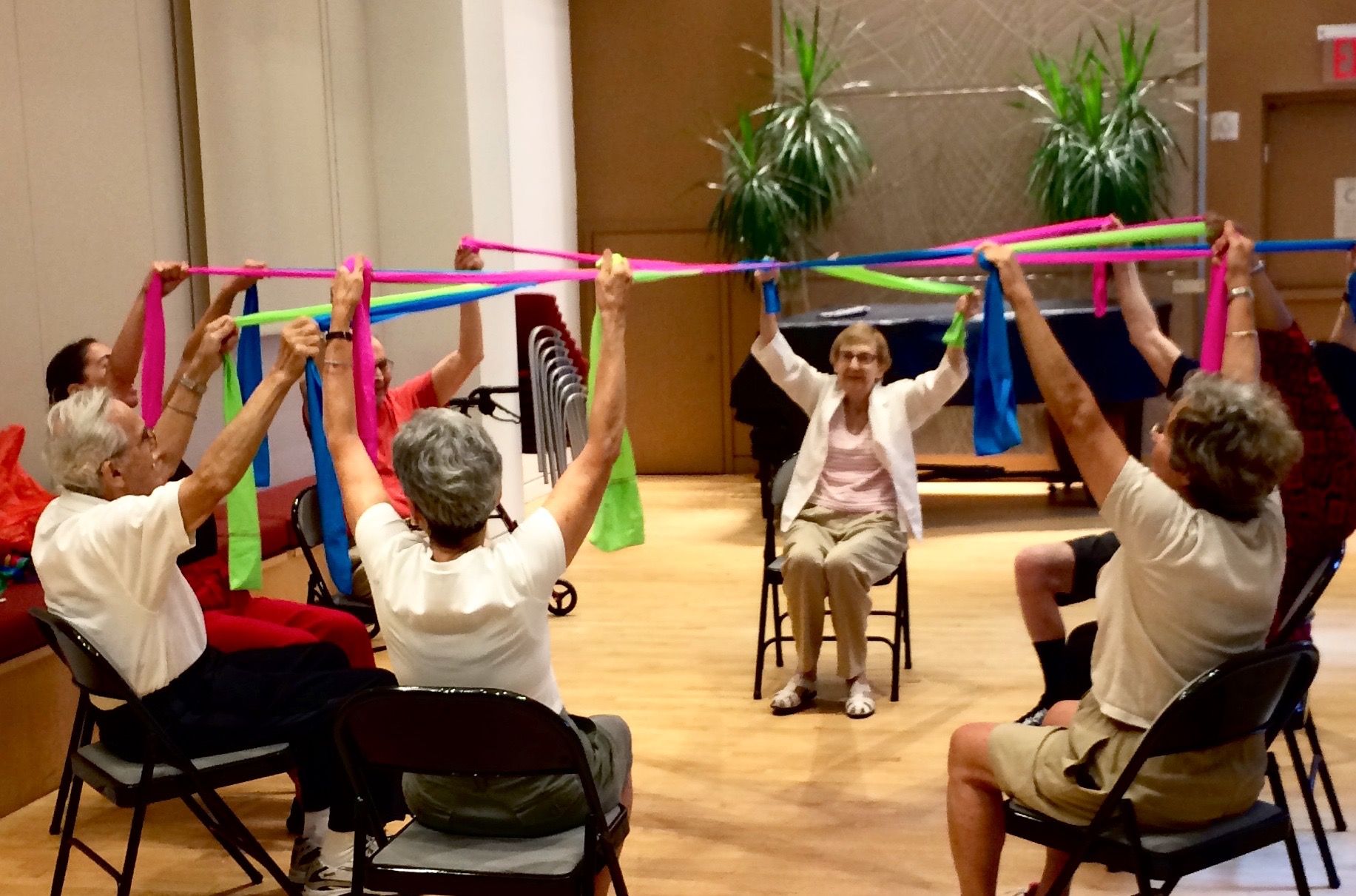
Music naturally connects the brain, body, and emotions, making physical movement feel safer, easier, and more enjoyable—especially for people with reduced mobility, coordination difficulties, or low motivation.
🧠 1. Rhythm Organises Movement
- The brain responds instinctively to rhythm
- A steady beat helps the body time movements (steps, lifts, stretches)
- Improves coordination and reduces hesitation
✔ Especially helpful for balance, walking, and repetitive movements
🦵 2. Tempo Sets the Right Pace
- Slow music → calm, controlled, safe movement
- Moderate music → gentle energy and motivation
- Prevents rushing or freezing during movement
✔ Ideal for conditions like dementia, ataxia, anxiety, and frailty
💪 3. Music Reduces Muscle Tension
- Calming music relaxes the nervous system
- Less fear = less stiffness
- Muscles respond more freely when the mind feels safe
✔ Movement becomes smoother and less painful
❤️ 4. Familiar Music Boosts Confidence
- Recognisable tunes feel safe and comforting
- Reduces resistance to movement
- Encourages participation without pressure
✔ “I can do this” replaces fear or withdrawal
😊 5. Music Improves Motivation & Mood
- Music releases feel-good chemicals in the brain
- Movement feels enjoyable, not like exercise
- Encourages longer and more regular activity
✔ Even small movements feel rewarding
🧘 6. Music Supports Mind–Body Connection
- Helps people stay present during movement
- Supports breathing, posture, and awareness
- Encourages gentle, flowing motion
✔ Particularly useful for chair-based or bed-based movement
🌿 7. Music Makes Movement Feel Safe
- Predictable sound reduces anxiety
- Less fear of falling or “doing it wrong”
- Creates a calming emotional environment
✔ Safety leads to better movement outcomes
🌼 In Simple Words
Music tells the body when to move, how fast to move, and helps it feel safe while moving.
That’s why music-assisted movement works so beautifully in rehabilitation, dementia care, emotional wellbeing, and gentle daily activity.

Discover a Healthier You with HEAL THE WORLD
Discover the Benefits of HEAL THE WORLD
🕺 Music-Assisted Movement by Time of Day
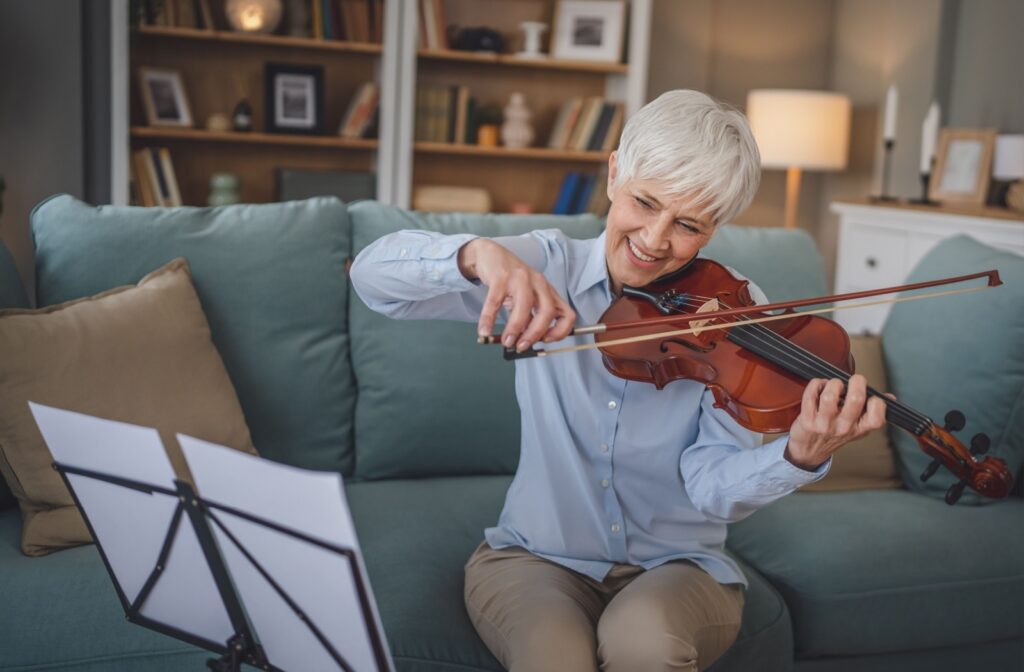
🌅 Morning – Wake the Body Gently
 5
5
Purpose:
To gently awaken the body, improve circulation, reduce morning stiffness, and build confidence for the day—without stress or fatigue.
🎶 Music Style (Very Important)
- Tempo: slow → gentle-moderate
- Rhythm: steady, predictable
- Sound: soft, warm, non-startling
- Lyrics: minimal or familiar
Best choices
- Soft piano or strings
- Light classical (waltz-style flow)
- Acoustic guitar
- Calm instrumental versions of familiar songs
🧠 Why Morning Music Helps
- Morning stiffness is common
- Music reduces fear of movement
- Rhythm guides slow, safe motion
- Familiar sounds create emotional safety
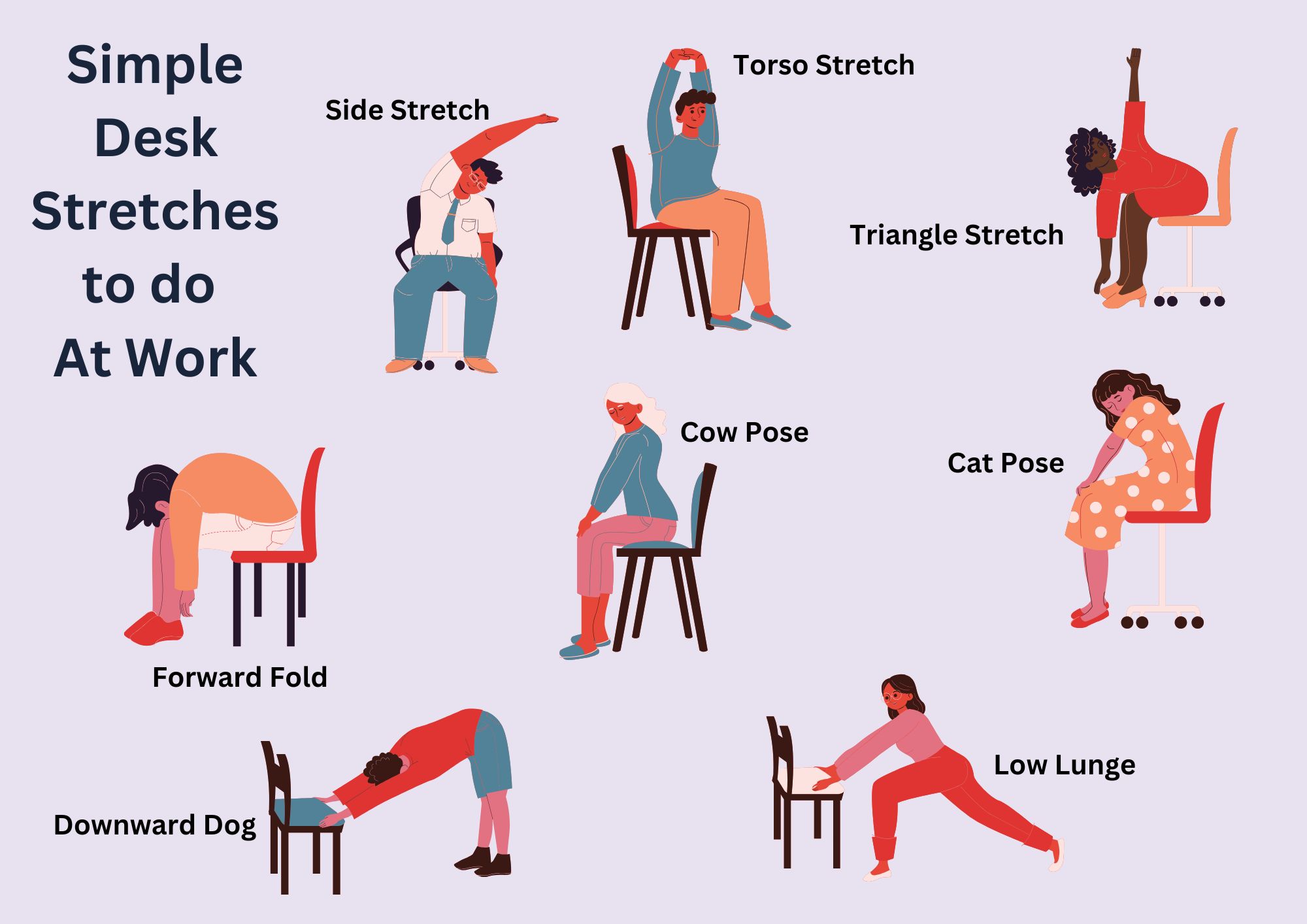
🧍♀️ Gentle Morning Movements
(All movements can be seated or standing)
1️⃣ Breathing + Awareness (2–3 minutes)
🎵 Slow instrumental music
- Breathe in through the nose
- Breathe out through the mouth
- Hands resting on lap or chest
💛 Wakes the brain–body connection
2️⃣ Head & Neck Release
🎵 Calm, flowing music
- Slow head turns left → right
- Gentle chin down → up
- No forcing
💛 Reduces neck stiffness and tension
3️⃣ Shoulder & Arm Awakening
🎵 Steady rhythm
- Shoulder rolls forward & back
- Lift arms slowly with the music
- Lower arms gently
💛 Improves circulation and confidence
4️⃣ Hands & Fingers
🎵 Soft piano
- Open and close hands
- Finger taps to the rhythm
- Gentle wrist circles
💛 Excellent for coordination & arthritis
5️⃣ Legs & Feet
🎵 Light rhythmic music
- Heel taps
- Toe lifts
- Gentle marching (seated or standing)
💛 Supports balance and walking readiness
⏱️ Session Length
- 5–10 minutes for low energy
- 10–20 minutes if comfortable
✔ Always stop before fatigue
♿ Adaptations
✔ Fully seated
✔ One-side only
✔ Micro-movements (even fingers or toes count)
✔ Bed-based movement if needed
Music makes small movement meaningful 💛
🌼 Morning Benefits
✔ Reduces stiffness
✔ Improves circulation
✔ Builds confidence
✔ Supports balance & coordination
✔ Creates a calm emotional start
🎶 Morning Movement Playlist – One-Click YouTube
Music-Assisted Therapy | Wake the Body Gently

 5
5

This ready-to-use YouTube playlist is designed for gentle morning movement, ideal for older adults, dementia care, ataxia, reduced mobility, anxiety, and low confidence with movement.
▶️ 🌅 ONE-CLICK YOUTUBE PLAYLIST
👉 Click & play:
https://www.youtube.com/results?search_query=gentle+morning+movement+music+therapy+soft+piano+instrumental+light+classical+waltz
(No ads setup needed – simple, familiar YouTube search playlist)
🎵 Playlist Style & Tempo
- Tempo: Slow → gentle-moderate
- Mood: Calm, reassuring, uplifting
- Volume: Low & comfortable
- Lyrics: Minimal or instrumental
🎶 Suggested Music Types (Already Included via Search)
✔ Soft piano instrumentals
✔ Light classical (waltz-style rhythm)
✔ Acoustic guitar instrumentals
✔ Calm orchestral background music
✔ Familiar instrumental covers
🧍♀️ How to Use with Movement
Play the playlist and guide slow, natural movement:
- Breathing & posture awareness
- Shoulder rolls & arm lifts
- Hand & finger movements
- Gentle marching (seated or standing)
- Ankle, foot, and leg activation
⏱️ Session length: 5–20 minutes
♿ Fully adaptable: seated, standing, or bed-based
🌼 Morning Benefits
✔ Reduces stiffness
✔ Improves circulation
✔ Builds confidence
✔ Supports balance & coordination
✔ Creates a calm emotional start to the day
💛 Just2ofus.uk Tip
- 🔁 Let it play in the background
- 🎧 No pressure to “exercise”
- 🌿 Even tiny movements count
♿ Adapted Movement Options – Music-Assisted Therapy
Every body can move • every movement matters


 5
5
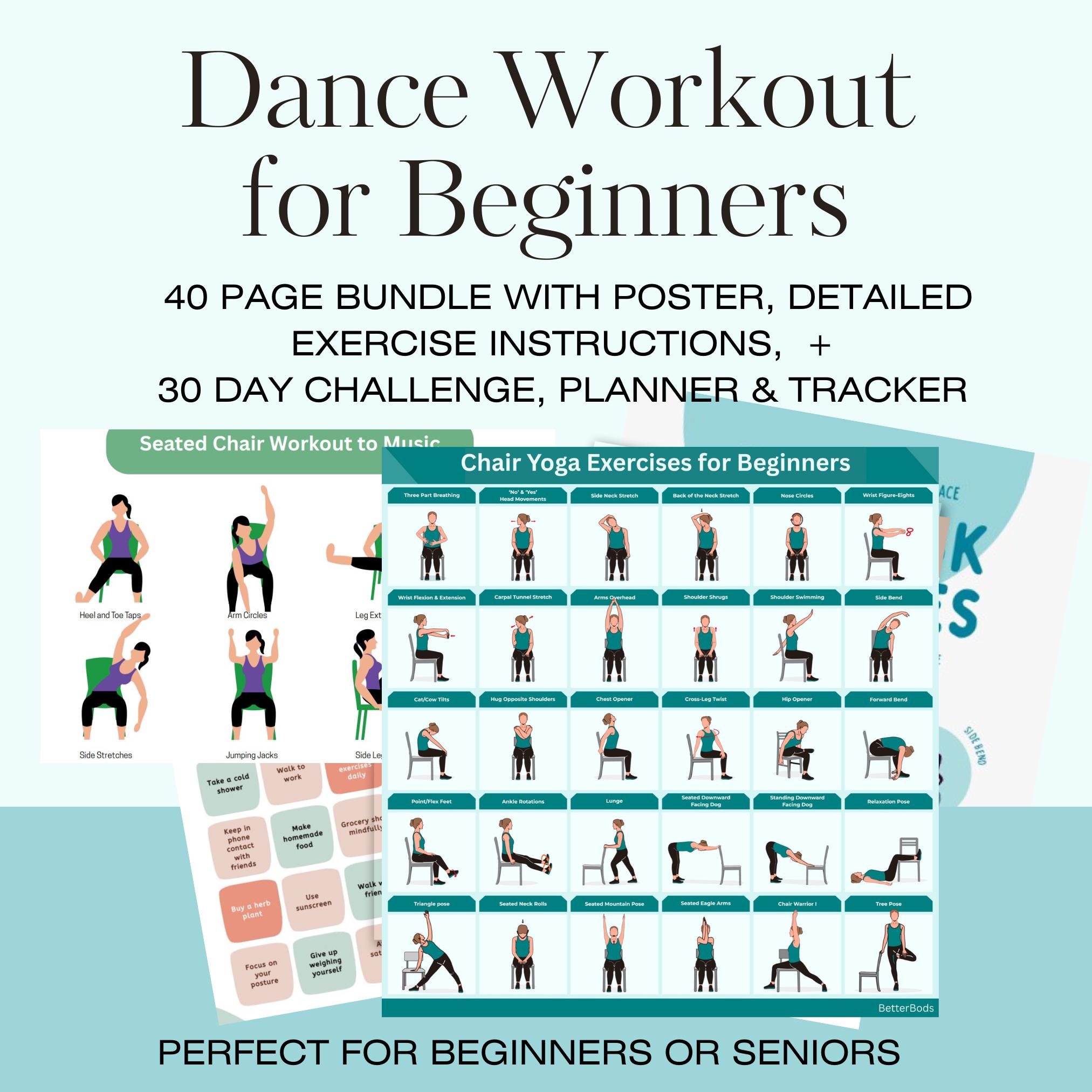
Adapted movement ensures safety, dignity, and inclusion, allowing people of all abilities to benefit from music-assisted physical activity. This approach is especially valuable in dementia care, ataxia, neurological conditions, frailty, autism, anxiety, and post-illness recovery.
🪑 1. Seated Movement (Chair-Based)
Who it’s for: limited balance, fatigue, wheelchair users
🎶 Music: slow, steady, reassuring
Movements:
- Shoulder rolls
- Arm lifts (one or both)
- Gentle torso twists
- Heel taps & toe lifts
✔ Improves circulation, posture & confidence
🛏️ 2. Bed-Based Movement
Who it’s for: very low energy, illness, late-stage dementia
🎶 Music: very slow, calming
Movements:
- Hand opening & closing
- Finger tapping to rhythm
- Foot flex & point
- Gentle head turns
✔ Maintains body awareness & comfort
✋ 3. One-Side Movement
Who it’s for: weakness, stroke recovery, asymmetry
🎶 Music: predictable rhythm
Movements:
- One-arm lifts
- One-leg tapping
- Mirror movements with caregiver support
✔ Supports neural pathways & confidence
🫧 4. Micro-Movements
Who it’s for: pain, fear of movement, severe fatigue
🎶 Music: soft background
Movements:
- Finger pulses
- Toe wiggles
- Small wrist circles
- Shoulder shrugs
✔ Even tiny movements stimulate brain-body connection
🧠 5. Visual & Guided Movement
Who it’s for: cognitive or processing difficulties
🎶 Music: familiar & simple
Support:
- Demonstrate movements
- Use verbal cues
- Move together
✔ Reduces confusion and anxiety
🤍 6. Passive & Assisted Movement
Who it’s for: severe mobility limitations
🎶 Music: slow and calming
Support:
- Caregiver gently guides arms or legs
- Slow stretching with music
✔ Preserves comfort, dignity, and connection
🎧 Music Matters
- Keep volume low
- Choose predictable rhythms
- Avoid fast or loud music
- Stop before fatigue
🌼 Key Message
Movement is not about exercise — it’s about connection, comfort, and confidence.
With music, even the smallest movement becomes meaningful.
🎧 How to Use Safely – Music-Assisted Movement Therapy
Safety, comfort, dignity first

 5
5
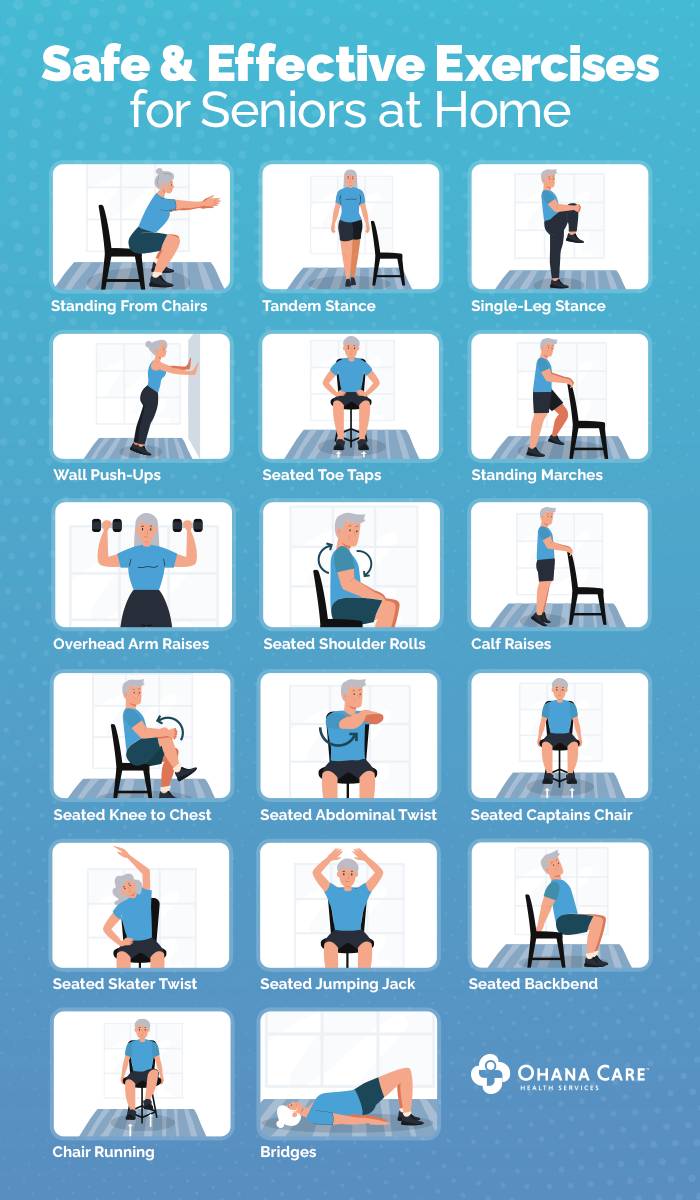
Music-assisted movement should always feel calm, supportive, and safe. These guidelines help ensure positive outcomes for older adults, dementia care, neurological conditions, reduced mobility, anxiety, and frailty.
🔊 1. Volume Control
- Keep music low to moderate
- Music should never overpower voices
- If someone flinches or looks unsettled → lower the volume
✔ Calm sound = calm movement
🕰️ 2. Keep Sessions Short
- Start with 5–10 minutes
- Gradually increase to 15–20 minutes if comfortable
- Stop before tiredness or frustration
✔ Little and often works best
❤️ 3. Watch the Body’s Signals
Stop or pause if you notice:
- Pain or discomfort
- Breathlessness
- Dizziness
- Confusion or agitation
✔ Comfort is more important than completion
🚶 4. Choose the Right Position
- Seated is always acceptable
- Standing only if balance is safe
- Bed-based movement is perfectly valid
✔ There is no “right” posture, only a safe one
👀 5. Supervision When Needed
- Stay nearby if balance is reduced
- Move together for reassurance
- Use clear, gentle cues
✔ Presence builds confidence
🎶 6. Choose the Right Music
- Predictable rhythm
- Slow to moderate tempo
- Familiar or soothing sounds
- Avoid fast, loud, or sudden changes
✔ Music should guide — not rush
🧠 7. Respect Emotional State
- If the person seems anxious → slow everything down
- If they appear overwhelmed → stop the session
- Music can stir emotions — that’s okay
✔ Emotional safety matters as much as physical safety
♿ 8. Adapt Without Hesitation
- One-side movement only
- Micro-movements
- Assisted or passive movement
- Watching and listening counts too
✔ Participation is flexible
🌿 Golden Rule
Music-assisted movement is not exercise — it is supportive, therapeutic movement.
If it feels good, it’s right.
If it feels stressful, stop.
🧠 1. Rhythm Organises Movement
How music helps the body move more smoothly and safely

 5
5
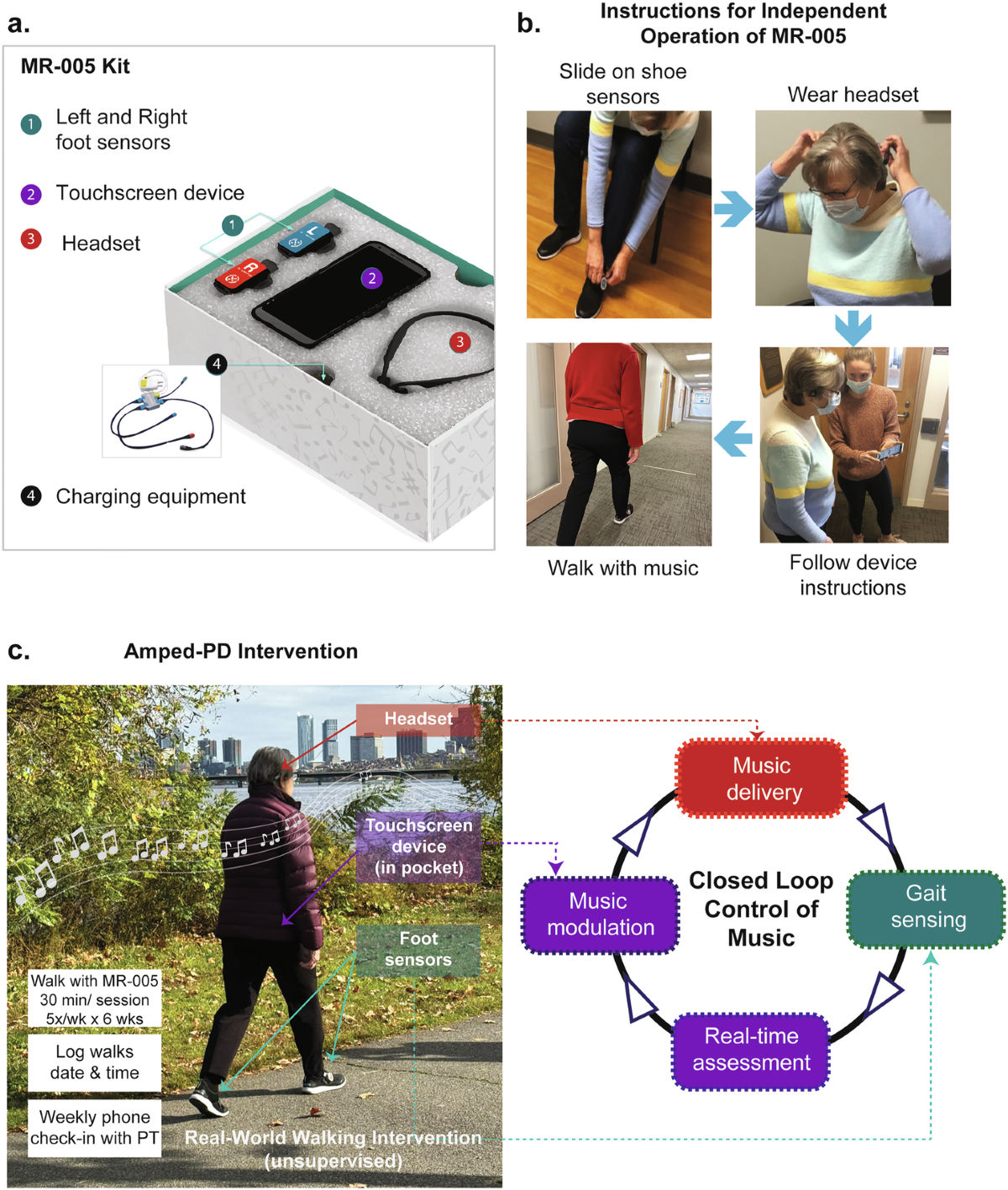
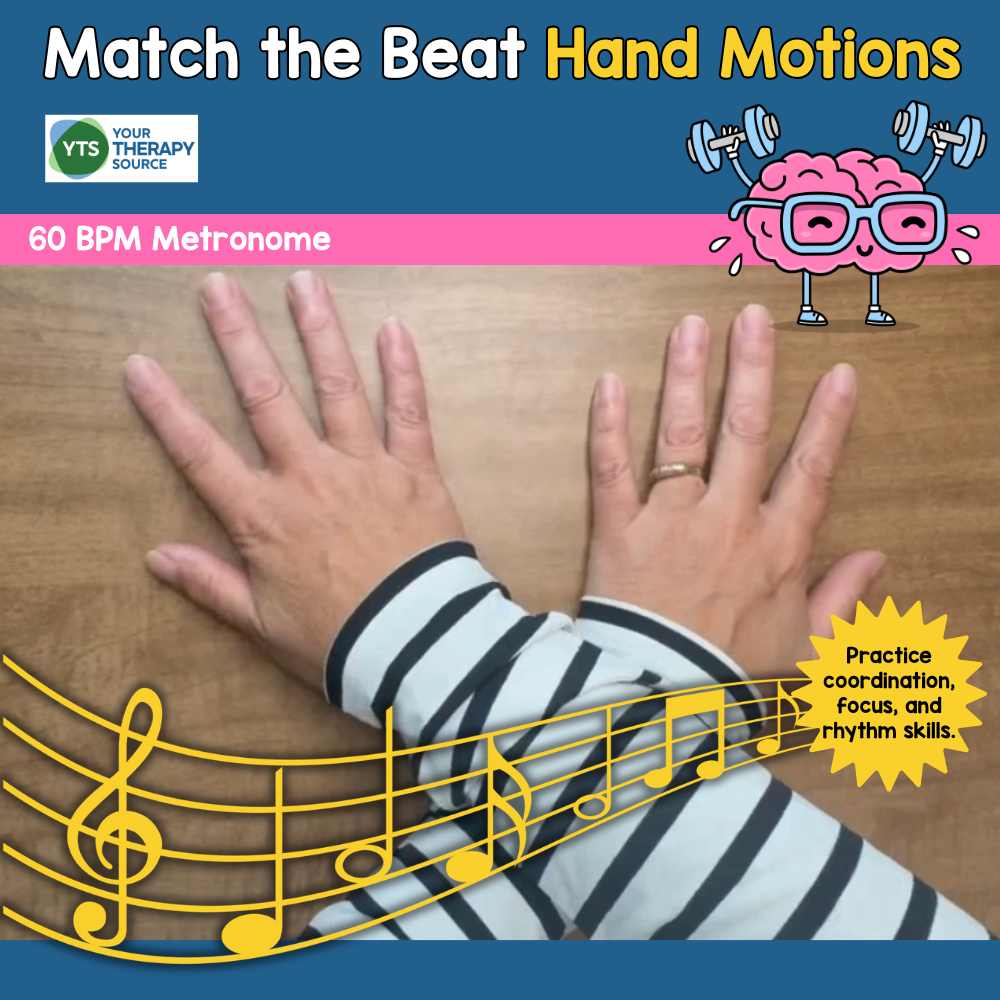
Rhythm is one of the strongest links between music and movement. The brain naturally responds to a steady beat, using it as a timing guide for the body.
🕰️ How Rhythm Helps the Brain
- The brain predicts the next beat
- This prediction helps plan when to move
- Movements become more organised and less hesitant
✔ Especially helpful when thinking, balance, or coordination are affected
🦵 How Rhythm Helps the Body
- Encourages even steps when walking
- Supports repetitive movements (arm swings, leg lifts)
- Reduces freezing, stopping, or rushing
✔ Movement flows instead of feeling forced
🧠 Rhythm Reduces Cognitive Load
- The body follows the beat automatically
- Less need to “think” about each movement
- Movement feels simpler and more natural
✔ Very helpful for dementia, ataxia, anxiety, and fatigue
⚖️ Rhythm Improves Balance & Safety
- Predictable timing supports stability
- Helps people anticipate their next movement
- Reduces fear of falling
✔ Confidence increases when movements feel predictable
🎶 What Kind of Rhythm Works Best?
- Slow to moderate tempo
- Clear, steady beat
- No sudden changes
- Familiar or soothing sounds
✔ Think guiding, not energising
🌼 In Simple Words
Rhythm gives the body a gentle roadmap.
It tells the body when to move, how fast to move, and helps it move with confidence and control.
🦵 2. Tempo Sets the Right Pace
How music speed guides safe, confident movement

 5
5
Tempo is the speed of music—and it has a powerful effect on how fast, steady, and safe the body moves. Choosing the right tempo helps people move without rushing, freezing, or feeling overwhelmed.
🧠 How Tempo Guides the Brain
- The brain synchronises movement speed to music
- Tempo reduces the need to judge pace manually
- Movement feels more automatic and controlled
✔ Especially helpful when processing speed or confidence is reduced
🚶 How Tempo Helps the Body
- Slow tempo encourages calm, controlled movement
- Moderate tempo supports gentle energy and flow
- Prevents sudden, unsafe bursts of movement
✔ Helps with walking, stretching, and balance
⚠️ Why Fast Tempo Can Be a Problem
- Increases risk of rushing or imbalance
- Can cause anxiety or agitation
- Overstimulates the nervous system
✔ Fast music is not suitable for therapeutic movement in vulnerable groups
🎶 Recommended Tempos for Therapy
- Slow (50–70 BPM): stretching, breathing, seated movement
- Gentle–Moderate (70–90 BPM): walking, light coordination
- Avoid: fast, erratic, or loud rhythms
✔ Consistency is more important than speed
🧩 Tempo + Condition Support
- Dementia: prevents confusion and rushing
- Ataxia: supports steadier, more predictable movement
- Anxiety: slows the nervous system
- Frailty: reduces fall risk
🌼 In Simple Words
Tempo tells the body how fast to move.
The right tempo creates safety, confidence, and smooth movement—without pressure.
✅ Match Tempo to Morning, Midday & Evening Routines
Music-Assisted Movement Therapy – safe, structured, calming
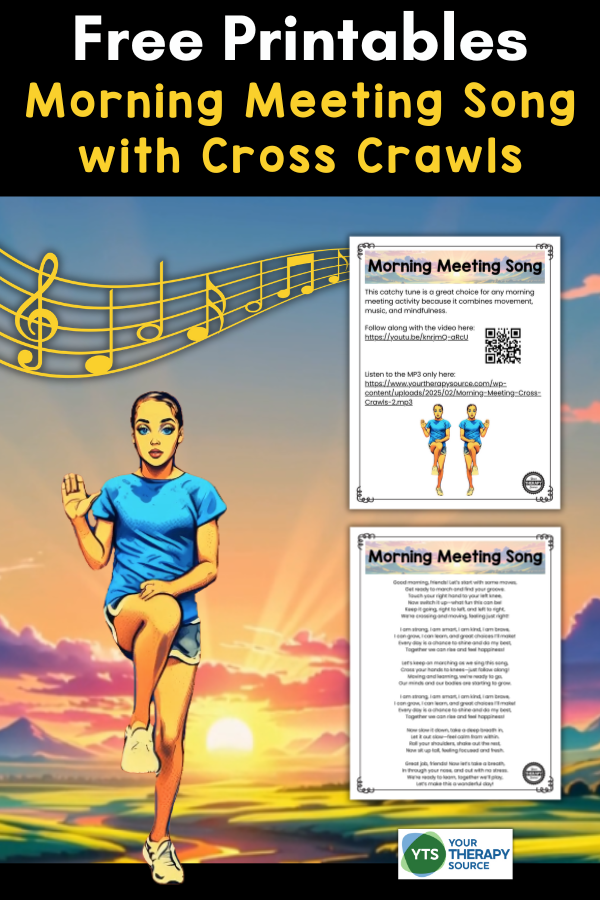


Matching music tempo to the time of day helps the body move naturally, safely, and with confidence. This structure works perfectly for your Just2ofus.uk / Music-Assisted Therapy routines.
🌅 Morning – Wake the Body Gently
Goal: reduce stiffness, gently activate muscles, build confidence
🎶 Recommended Tempo
- Slow → Gentle: 50–70 BPM
🎵 Music Style
- Soft piano
- Light classical (flowing, waltz-like)
- Acoustic instrumental
🧍 Movement Examples
- Breathing with arm lifts
- Shoulder rolls
- Hand & finger movements
- Heel taps / gentle marching (seated or standing)
💛 Why it works:
Slow tempo prevents rushing and allows the body to “wake up” safely.
🌤️ Midday – Strength, Balance & Coordination
Goal: support mobility, walking, coordination, confidence
🎶 Recommended Tempo
- Gentle–Moderate: 70–90 BPM
🎵 Music Style
- Easy listening
- Soft jazz or swing (steady beat)
- Familiar instrumental favourites
🚶 Movement Examples
- Walking to rhythm
- Arm swings
- Heel-to-toe steps
- Light resistance (towel or soft ball)
💛 Why it works:
Moderate tempo gives energy without overstimulation.
🌙 Evening – Relax & Release
Goal: calm the nervous system, release tension, prepare for rest
🎶 Recommended Tempo
- Very Slow: 40–60 BPM
🎵 Music Style
- Slow piano & strings
- Ambient music
- Nature sounds (rain, ocean)
🧘 Movement Examples
- Gentle stretching
- Seated side bends
- Hand massage movements
- Breathing with music
💛 Why it works:
Very slow tempo signals the body to slow down and feel safe.
🕰️ Quick Reference Chart
Time of DayTempo (BPM)Purpose🌅 Morning50–70Wake body gently🌤️ Midday70–90Mobility & balance🌙 Evening40–60Calm & relax
♿ Adaptation Reminder
✔ Seated only
✔ Bed-based
✔ One-side movement
✔ Micro-movements
The tempo still works even for very small movements.
🌼 Key Principle
Right tempo = right pace = safe movement.
Music should guide, not push.
Below are one-click YouTube playlists for each time of day, designed for Music-Assisted Therapy, emotional wellbeing, memory support, and gentle daily structure.
Each link opens directly in YouTube and is easy to use for all ages 🌿🎵
🌅 Morning – Gentle Awakening & Positivity
Purpose: calm start, reduce anxiety, uplift mood
▶️ One-click playlist:
https://www.youtube.com/results?search_query=gentle+morning+music+therapy+positive+uplifting
Best styles
- Soft instrumental
- Nature sounds with music
- Light classical
- Peaceful piano
☀️ Late Morning / Midday – Focus & Engagement
Purpose: alertness, cognition, motivation
▶️ One-click playlist:
https://www.youtube.com/results?search_query=focus+music+therapy+instrumental+concentration
Best styles
- Instrumental focus music
- Light jazz
- Classical (Mozart, Bach-style)
- Acoustic background music
🌤️ Afternoon – Comfort, Memory & Emotional Balance
Purpose: emotional regulation, reminiscence, comfort
▶️ One-click playlist:
https://www.youtube.com/results?search_query=relaxing+afternoon+music+therapy+memory+support
Best styles
- Golden oldies
- Familiar melodies
- Soft vocals
- Instrumental classics
🌆 Early Evening – Calm & Wind-Down
Purpose: reduce agitation, prevent sundowning
▶️ One-click playlist:
https://www.youtube.com/results?search_query=evening+calming+music+therapy+relaxation
Best styles
- Slow instrumental
- Peaceful orchestral
- Soft piano & strings
- Gentle ambient music
🌙 Night – Deep Relaxation & Sleep
Purpose: rest, sleep, anxiety relief
▶️ One-click playlist:
https://www.youtube.com/results?search_query=sleep+music+therapy+deep+relaxation+night
Best styles
- Slow tempo sleep music
- 432Hz / 528Hz calming tones
- Ambient soundscapes
- Piano lullabies
💡 How to use on your website (Just2ofus.uk)
- ✅ Add one button per time of day
- ✅ Label clearly: Morning • Midday • Afternoon • Evening • Night
- ✅ Works perfectly for dementia, autism, ataxia & mental wellbeing
- ✅ No sign-in required